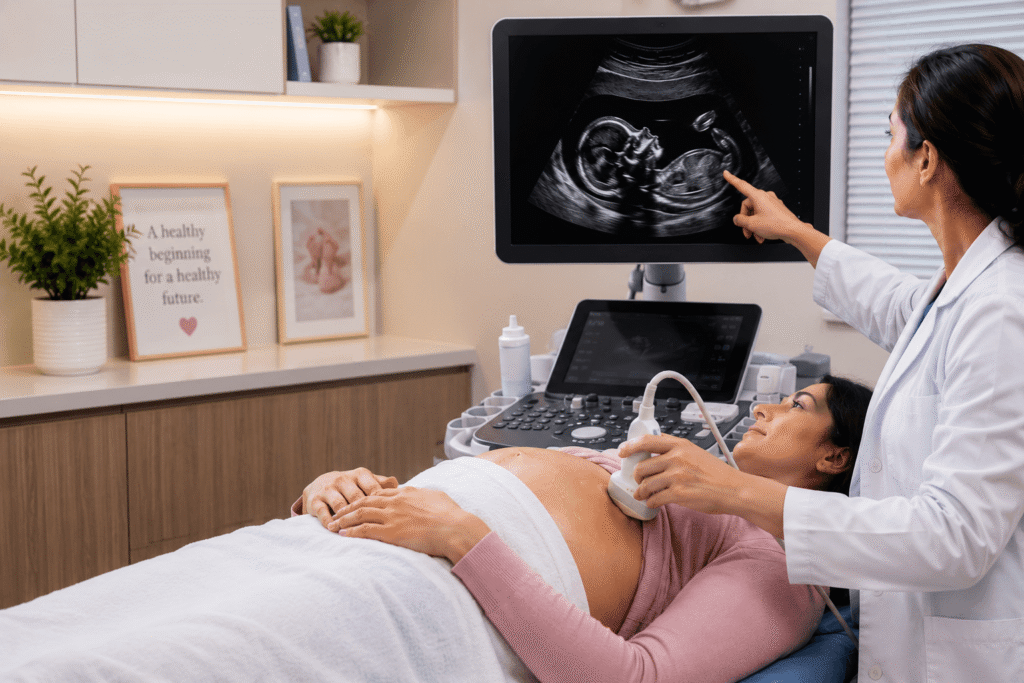
What Is a High-Risk Pregnancy?

A High-Risk Pregnancy is a pregnancy in which the mother, baby, or both have a greater chance of developing health complications before, during, or after delivery. While many high-risk pregnancies result in healthy outcomes, they often require closer monitoring and specialized medical care.
Early identification of risk factors allows healthcare providers to create a personalized care plan that supports both maternal and fetal well-being throughout pregnancy.
What Causes a High-Risk Pregnancy?
Several factors can increase pregnancy-related risks. Some women may have pre-existing medical conditions, while others develop complications during pregnancy.
Common causes include:
- High blood pressure (Hypertension)
- Diabetes before or during pregnancy
- Thyroid disorders
- Autoimmune diseases
- Kidney disease
- Heart conditions
- Obesity
- Multiple pregnancy (Twins or Triplets)
- Previous pregnancy complications
- Maternal age below 18 or above 35 years
Signs That May Require Additional Monitoring
While every pregnancy is unique, certain symptoms should be evaluated promptly:
- Persistent high blood pressure
- Severe swelling of hands or face
- Reduced fetal movements
- Vaginal bleeding
- Severe abdominal pain
- Persistent headaches
- Sudden vision changes
If any of these symptoms occur, immediate medical assessment is recommended.
How Is a High-Risk Pregnancy Managed?
Management depends on the specific condition and stage of pregnancy. A Fetal Medicine Specialist plays an important role in monitoring fetal growth and detecting potential complications early.
Monitoring may include:
- Detailed ultrasound examinations
- Growth scans
- Doppler studies
- Fetal echocardiography
- Genetic screening and counseling
- Maternal health assessments
- Regular prenatal visits
The goal is to identify concerns early and provide appropriate treatment or intervention when necessary.
Why Specialized Fetal Monitoring Matters
Advanced prenatal imaging helps assess:
- Baby’s growth and development
- Placental function
- Amniotic fluid levels
- Fetal blood circulation
- Risk of preterm birth
- Overall fetal well-being
Regular monitoring allows healthcare providers to make timely decisions and improve pregnancy outcomes.
Can Women With High-Risk Pregnancies Have Healthy Babies?
Yes. Many women with high-risk pregnancies deliver healthy babies with proper medical care and regular follow-up. Advances in prenatal screening, fetal imaging, and maternal-fetal medicine have significantly improved outcomes for both mothers and babies.
The key is early diagnosis, close monitoring, and adherence to medical advice throughout pregnancy.
Related Services
For specialized pregnancy care, explore:
- Early Pregnancy Scan
- NT Scan & First Trimester Screening
- Level 2 Anomaly Scan
- Fetal Echocardiography
- Genetic Counseling
- Prenatal Invasive Procedures
- Fetal Growth Monitoring
Frequently Asked Questions (FAQs)
A pregnancy may be classified as high-risk when maternal health conditions, fetal concerns, or pregnancy-related complications increase the likelihood of adverse outcomes.
Yes. Women younger than 18 or older than 35 may have a higher risk of certain pregnancy complications.
Most high-risk pregnancies can be managed effectively with specialized care, regular monitoring, and timely intervention.
The frequency depends on the condition being monitored. Your healthcare provider will recommend an individualized schedule.
You may be referred if you have abnormal screening results, medical conditions, multiple pregnancies, or concerns identified during routine ultrasounds.